Profitability is a simple equation (with annoying variables)
At a high level, home mining profit is “Bitcoin earned” minus “electricity paid.” The tricky part is that the Bitcoin earned changes over time with network difficulty, pool luck/fees, and your miner’s stability.
- Electricity rate ($/kWh)
- Efficiency tuning (watts vs hashrate)
- Cooling/airflow → stability
- Uptime (stable 24/7)
- Pool choice + fee
- Bitcoin price swings
- Network difficulty changes
- Global hashrate shifts
- Pool variance (luck)
- Hardware market pricing
Electricity cost is usually the make-or-break factor
If your power is expensive, profitability gets harder — fast. Bitaxe shines when you treat it as a learning rig and focus on efficiency: reduce watts, keep temperatures stable, and avoid crashes.
Don’t chase peak hashrate if it causes instability. A stable, efficient miner hashing all day can beat a “fast” miner that throttles or crashes.
If you want the best chance at ROI, optimize uptime
- Keep temps steady (better airflow beats “hopes and prayers”).
- Tune conservatively first, then step up slowly.
- Watch for throttling signs (heat spikes, sudden hash drops).
- Use a reliable power setup and clean cable management.
- Pick a pool and stick with it long enough to judge results.
601 vs 701: which is “more profitable”?
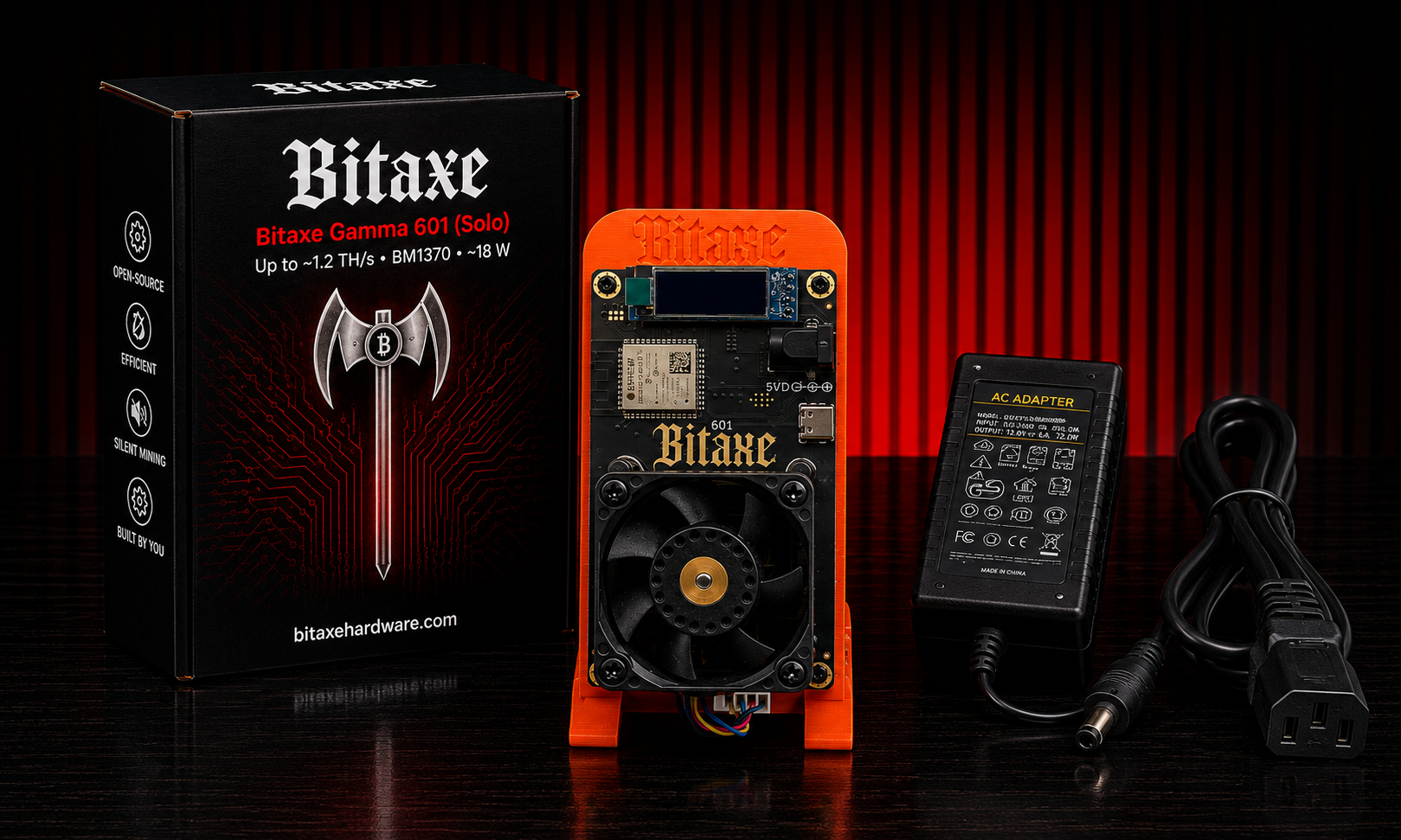
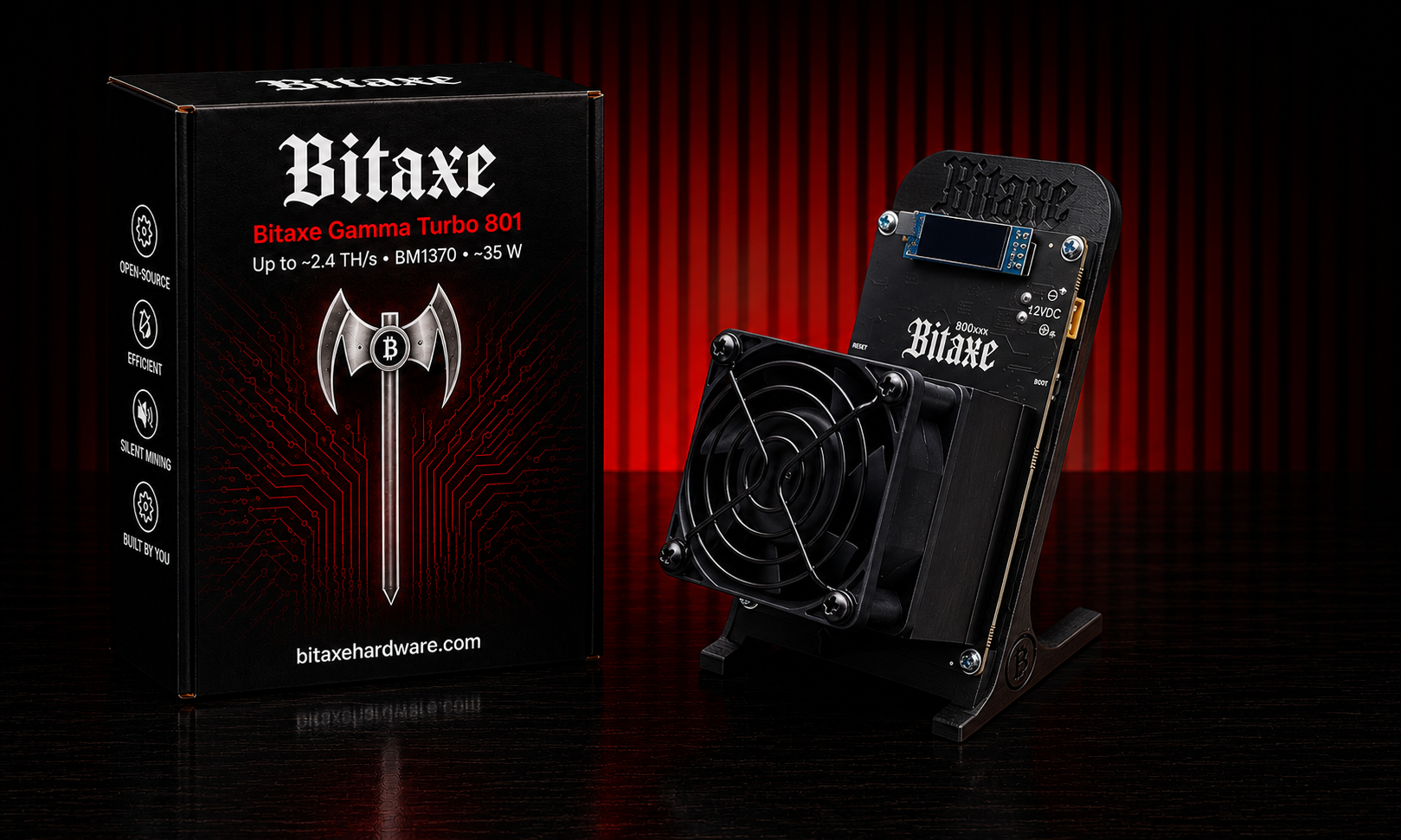
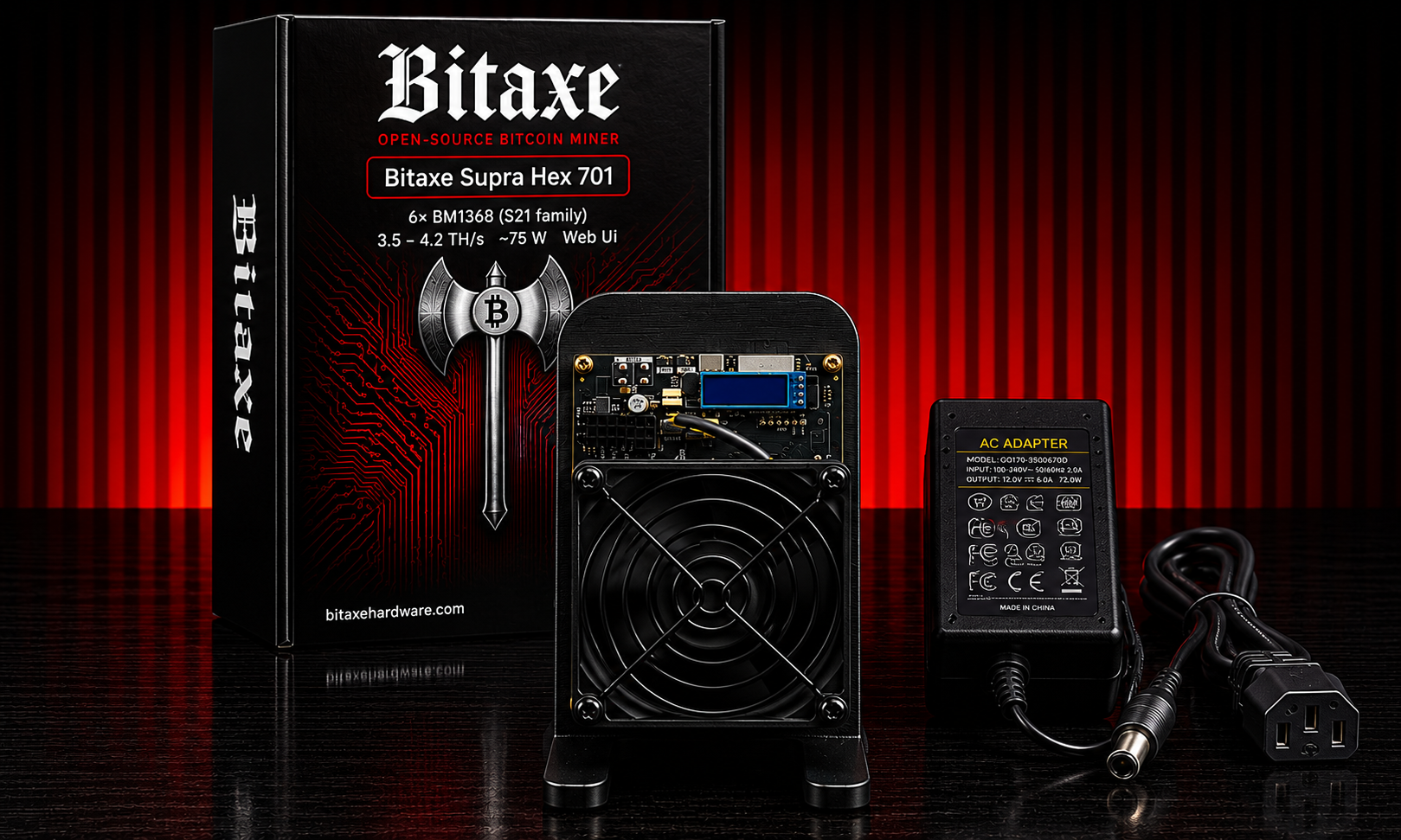
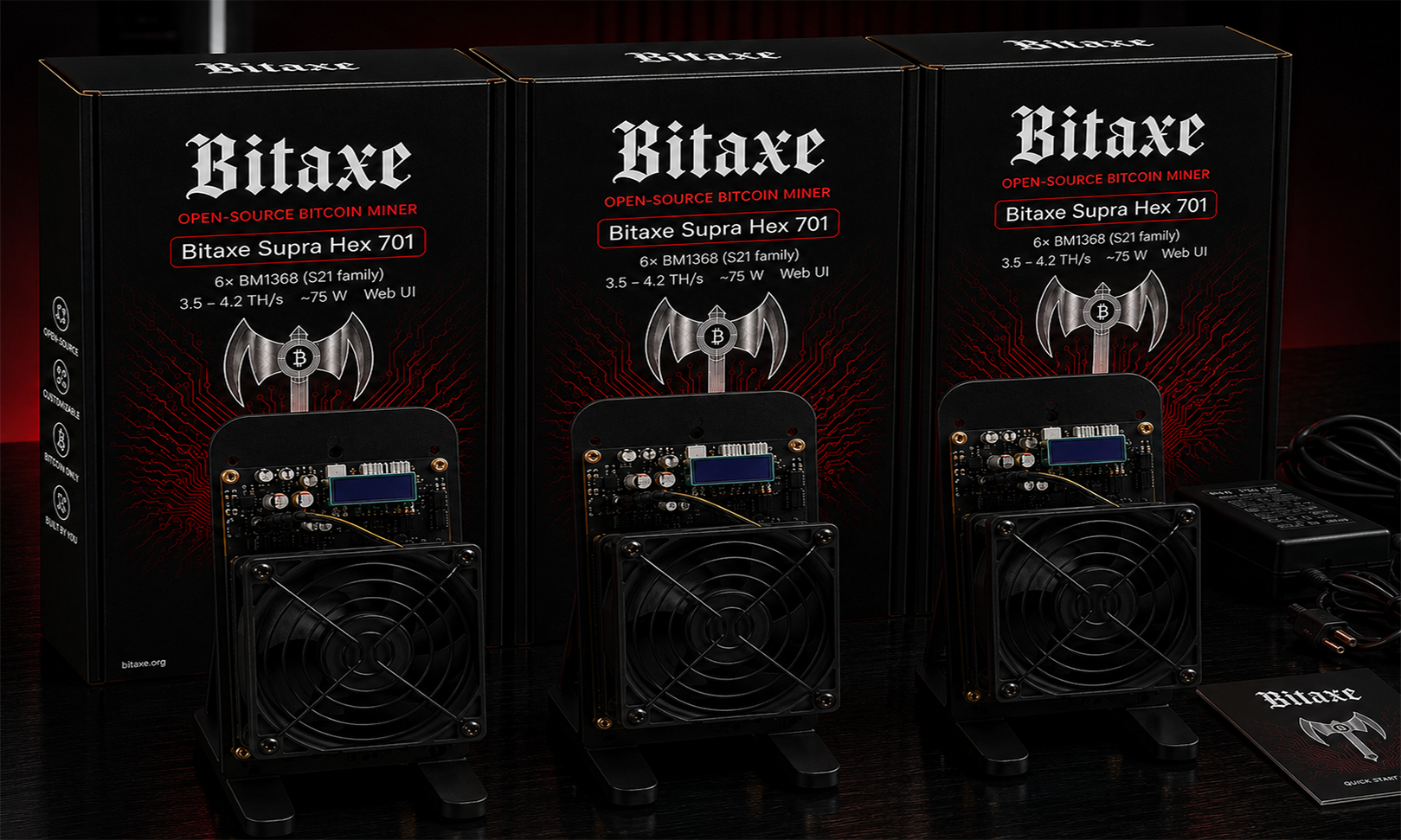
There isn’t a universal winner. The 601 is often a favorite for efficiency-first, desk-friendly setups. The 701 can push more output but may require stronger cooling and more careful tuning. Your room temp and stability matter more than the label.
- More performance headroom
- Cooling matters more
- Best for tinkering
Start with the right model — then aim for stable, efficient hashing
601 for ultra-low fuss • 701 for more tuning • accessories for cooling and long runs.